You Don't Love What You Didn't Make
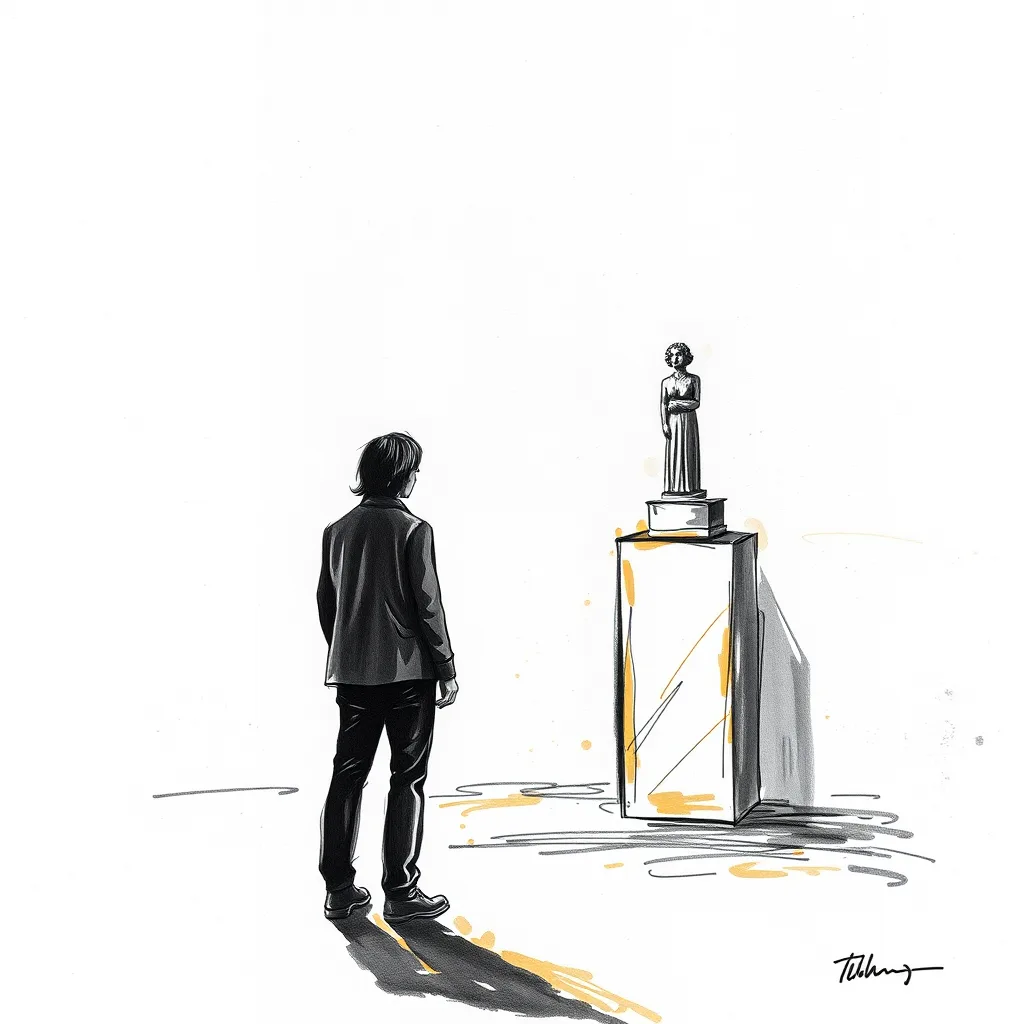
I noticed something ugly about myself the other day.
When AI writes it, I don’t check it as hard.
Not because I trust the model. I don’t. I check other people’s work, I check my own work, I’ve been burned enough times to know better. But when the model hands me a result, something in me goes quiet. The reviewer clocks out. I skim, I nod, I ship.
And it took me a while to see why. It’s not laziness, or not only laziness. It’s that I didn’t make it. And you don’t love what you didn’t make.
The missing pride
When you write something yourself, you carry it. Every sentence passed through your head, so you feel every weak one. Every function you typed, you can feel where it’s shaky. The work is yours, and that ownership is what makes you go back and fix the part that’s not quite right. Pride is a quality-control mechanism dressed up as a feeling.
AI output arrives without that. It shows up finished, confident, formatted. It looks done. And because none of it passed through your hands, none of it feels like yours to defend. So you don’t defend it. You don’t squint at the third paragraph and think “no, that’s not what I mean.” You didn’t mean anything. The model meant it, if meaning even applies.
The result is fine. That’s the trap. Fine is exactly the temperature at which you stop looking.
Control follows ownership
Here’s the mechanism, as far as I can tell.
Interest in controlling the output comes from having produced it. Not the other way around. We like to think we review things because we’re conscientious, and sometimes we are. But most of the real scrutiny in your life rides on the back of ownership. You proofread the email you wrote to your boss. You barely glance at the auto-reply.
AI turns everything into the auto-reply. It gives you the finished artifact without the process that would have made you care about it. And control without care is just a checkbox. You can review the AI’s output. The tools are right there. But you don’t want to, and wanting is what actually gets it done.
What this costs
The obvious cost is errors slipping through. That’s real, but it’s the small one.
The bigger cost is that you start producing things you have no relationship with. A pile of documents, code, emails, decisions, all technically yours, none of them actually yours. You become a manager of output you never internalized. Ask you in a month why the code does what it does and you’ll shrug, because you were never in the room when it was decided. The model was.
That’s a strange way to live inside your own work. Surrounded by stuff with your name on it that you’d have to read like a stranger.
What I’m doing about it
I don’t have a clean fix. But a few things help.
Make it mine before I judge it. Rewrite at least part of it in my own words, even if the AI version was fine. The rewriting is what turns on the reviewer. Once my hands are in it, I start caring where it’s weak.
Argue with it. Not “make it better” but “this part is wrong, here’s why.” Disagreement is a form of ownership. You can only push back on something you’ve actually thought about.
Do the last mile myself. Let the model get me 80% there, then close it out by hand. The last 20% is where the understanding lives anyway, and it’s the part I’ll remember.
None of this is about distrusting AI more. It’s about noticing that the danger isn’t the model being wrong. It’s me not caring whether it’s wrong, because I never made it, and you don’t love what you didn’t make.
The output was never the point. The caring was.